
What is re-KYC?
How Often Must KYC be Refreshed in the UAE?
What Triggers a re-KYC Review?
- The customer's scheduled review cycle falls due, based on their risk rating.
- A change in ownership, control or beneficial ownership.
- A change in the customer's activity, products or overall risk profile.
- A new sanctions, PEP or adverse-media match.
- Expiry of identity documents or other key customer information.
- A suspicious transaction or activity connected to the customer.
- A material external event, such as the customer's country being grey-listed.
Re-KYC, Periodic Review & Ongoing CDD: How they Fit Together
- Ongoing CDD
The umbrella duty under Cabinet Resolution 134 of 2025 (Article 7): monitor the business relationship and keep customer information up to date throughout its life. - Periodic review:
Scheduled re-KYC carried out at intervals set by the customer's risk rating, the planned, calendar side of keeping files current. - Event-driven (trigger-based) re-KYC:
An out-of-cycle review prompted by a specific event, such as a change in ownership or a new screening match. - Remediation:
A programme to fix files that are incomplete or out of date (stale KYC), often run across the existing customer base as a back-book project.
About this Free re-KYC Course
This practical course teaches compliance professionals how to keep customer files current through re-KYC. You learn what re-KYC is, how often to refresh under a risk-based approach, what events should trigger a review, and how to run a remediation programme for stale or incomplete files. It is grounded in the UAE framework, Cabinet Resolution 134 of 2025 and Federal Decree-Law No. 10 of 2025, but the skills apply wherever ongoing customer due diligence rules do. Practitioner-led, with a certificate on completion. You can start free.
What you will Learn in this re-KYC Course
By the end of the course you will be able to:
Document each review so your files stay audit-ready (Article 7).
Why this re-KYC Course is Worth Your Time

Practical takeaway
You will know when to file a REAR, how to do due diligence on a property deal, and how to keep your brokerage inspection-ready.Re-KYC Course Curriculum
Who should Take this Course
KYC and onboarding analysts, periodic-review and remediation teams, compliance officers and MLROs who own the standard, relationship managers who maintain customer files, and the owners and staff of regulated businesses and DNFBPs (real estate, dealers in precious metals and stones, corporate service providers, accountants and law firms, alongside banks, fintechs and virtual-asset firms). No prior qualification is needed, and the course works whether you operate in the UAE or another AML regime.

What you Get
- A practical, self-paced online course you can complete in a single focused session.
- A certificate of completion that you can keep as evidence of training.
- A re-KYC and remediation approach you can apply straight to your own customer base.
Why Choose Pro AML Courses
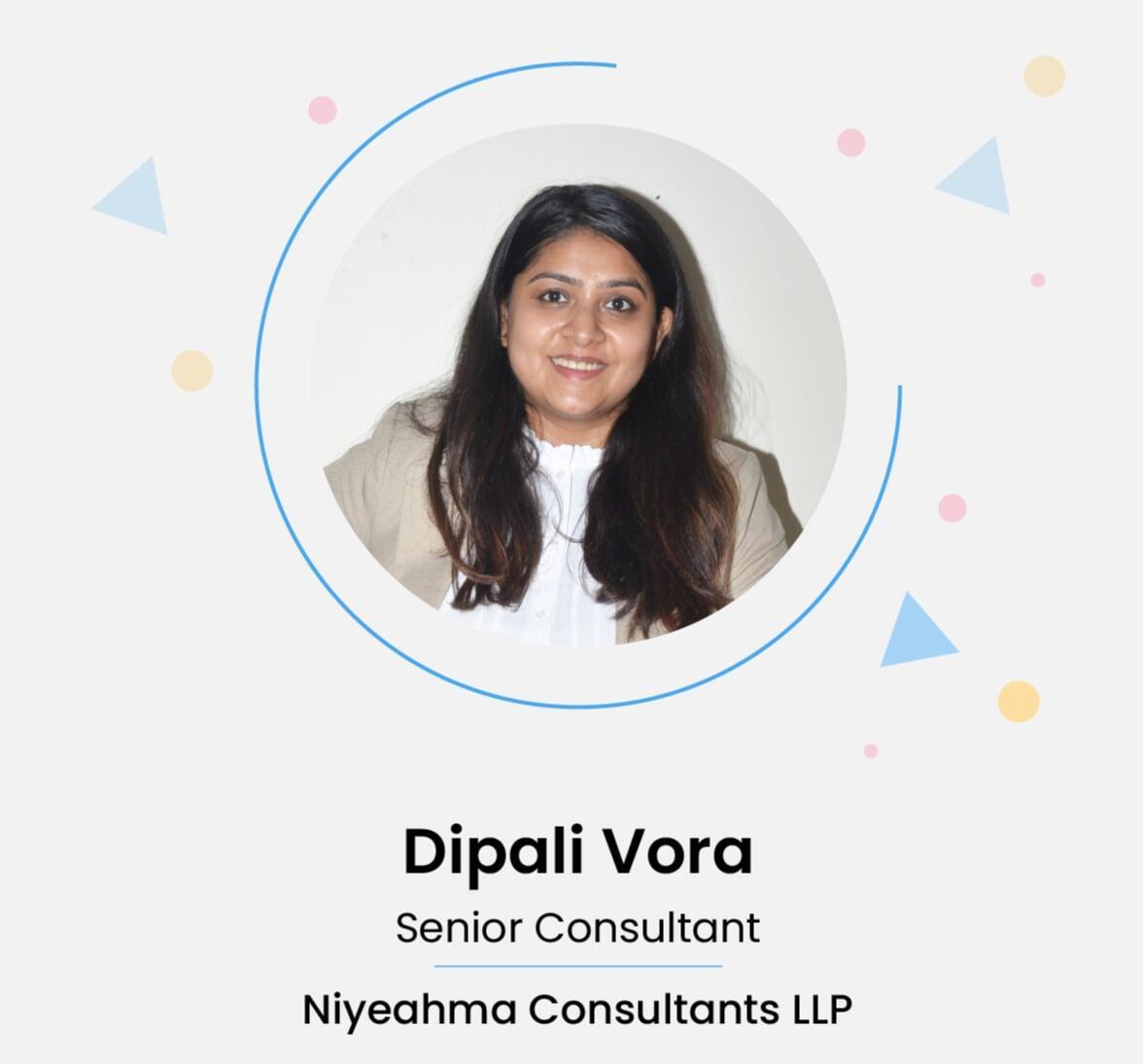
Learn from the Pro
Get Started Now!

Why Learn with Pro AML Training
ProAML Training is part of NIYEAHMA's AMLVerse, a global AML compliance ecosystem that connects consulting, regulatory knowledge and technology, including the consulting practice AML UAE. Courses are built and taught by practising compliance professionals, among them founder Pathik Shah (FCA, CAMS, CISA), who brings more than 28 years in governance, risk and compliance. That means the material is practical, current and grounded in real casework rather than recycled theory.
- Practitioner-led: written and delivered by working AML professionals, not generalist course writers.
- Practical and job-ready: focused on what you do at your desk, with real red flags, templates and worked examples.
- Current: kept in step with FATF standards and the latest national rules, so you are not learning last year's framework.
- Globally relevant: principles apply across jurisdictions, with strong depth in high-demand markets such as the UAE.