• Unlocking Essential Insights on Screening

    Learn the fundamentals of customer, sanctions, PEP, and adverse media screening to strengthen AML compliance and effectively identify financial crime risks.

What is Sanctions, PEP and Adverse Media Screening?

Screening means checking your customers, their beneficial owners and their transactions against external lists and information sources: government sanctions and terrorist lists, lists of politically exposed persons (PEPs), and negative news (adverse media). It is how a business detects people and entities it must not deal with, or must treat as higher risk, before and throughout a relationship. 

The Three Types of Screening

  1. Sanctions screening: Checking names against sanctions and terrorist lists, in the UAE the Local Terrorist List and the UN Consolidated List, so you can freeze and report any match without delay. This is a legal duty under Cabinet Decision 74 of 2020.
  2. PEP screening: Identifying politically exposed persons, along with their relatives and close associates, who are higher risk and require enhanced due diligence under Cabinet Resolution 134 of 2025 (Article 16). 
  3. Adverse media screening: Checking for credible negative news, such as links to fraud, corruption or financial crime, that can raise a customer's risk even where there is no sanction or PEP match.

How Does Sanctions Screening Work in the UAE?

In practice, UAE sanctions screening follows six steps: 
  1. Register and connect. Register with the competent authority's notification and search systems, so you receive list updates and can search them. 
  2. Screen at onboarding. Screen every customer and beneficial owner against the UAE Local Terrorist List and the UN Consolidated List before you start the relationship. 
  3. Re-screen continuously. Screen again on an ongoing basis and whenever the lists are updated, so newly designated names are caught quickly. 
  4. Investigate alerts. Review each alert and separate true matches from false positives using secondary identifiers such as date of birth and nationality. 
  5. Freeze without delay. On a confirmed match, freeze the funds without delay, which UAE guidance treats as within 24 hours of a listing, and do not deal with the customer or tip them off (Cabinet Decision 74 of 2020, Article 21). 
  6. Report the match. Notify the competent authority of the match and the freeze within the required timeframe, and keep full records. 

Reducing False Positives

Most screening alerts are false positives: the system flags a name that looks similar but is not your customer. Good screening is as much about clearing alerts efficiently as generating them. You learn how fuzzy matching works, how to set sensible match thresholds, how to use secondary identifiers to confirm or clear a hit, and how to document each decision so it stands up to review. 

About this Sanctions and PEP Screening Course

This practical course teaches compliance professionals how to screen customers and transactions against sanctions, PEP and adverse-media sources, and how to act on what they find. You learn how UAE sanctions screening works, what the law requires, how to freeze and report a true match without delay, and how to cut through false positives quickly. It is grounded in the UAE framework, but the skills apply wherever screening rules do. Practitioner-led, with a certificate on completion. You can start free. 

Reducing False Positives

Most screening alerts are false positives: the system flags a name that looks similar but is not your customer. Good screening is as much about clearing alerts efficiently as generating them. You learn how fuzzy matching works, how to set sensible match thresholds, how to use secondary identifiers to confirm or clear a hit, and how to document each decision so it stands up to review. 

About this Sanctions and PEP Screening Course

This practical course teaches compliance professionals how to screen customers and transactions against sanctions, PEP and adverse-media sources, and how to act on what they find. You learn how UAE sanctions screening works, what the law requires, how to freeze and report a true match without delay, and how to cut through false positives quickly. It is grounded in the UAE framework, but the skills apply wherever screening rules do. Practitioner-led, with a certificate on completion. You can start free. 

What You will Learn in this Screening Course

By the end of the course you will be able to:

Explain what sanctions, PEP and adverse-media screening are and why each matters. 

Screen customers and beneficial owners against the UAE Local and UN Consolidated lists. 

Apply the UAE freeze-without-delay obligation and report a confirmed match correctly. 

Identify PEPs and apply the enhanced due diligence they require (Article 16). 

Use adverse-media screening to surface risk that lists alone miss. 

Tune matching and resolve false positives efficiently and defensibly. 

Why this Screening Course is Worth your Time

Screening is where compliance meets a hard legal line. Deal with a sanctioned party, even by accident, and the consequences are severe. Yet screening is also where teams waste the most time, drowning in false positives. The analysts who do this well catch the real matches fast and clear the noise without cutting corners. 

In the UAE the duty is specific. Cabinet Decision 74 of 2020 (Article 21) sets the targeted financial sanctions obligations, including screening against the Local Terrorist List and the UN Consolidated List and freezing a match without delay. Cabinet Resolution 134 of 2025 builds screening and PEP checks into the wider AML programme (Articles 24 and 16). Screening is a global standard, so the skills travel to any jurisdiction. 

Practical takeaway

You will be able to screen a customer, resolve the alerts, and freeze and report a true match the way UAE law requires. 

Screening Course Curriculum

Who Should Take this Free Course

Screening and KYC analysts who run these checks, compliance officers and MLROs who own the controls, onboarding and transaction-monitoring staff, and the owners and staff of regulated businesses and DNFBPs, especially those with international customers or payments. No prior qualification is needed, and the course works whether you operate in the UAE or another AML regime. 

What you Get

  • A practical, self-paced online course you can complete in a single focused session. 
  • A certificate of completion you can keep as evidence of training. 
  • A screening approach you can apply to your very next alert. 

By the end of this course you will know how to screen against sanctions, PEP and adverse-media sources, how to act on a true match the way UAE law requires, and how to clear false positives without cutting corners. Equip yourself with a high-stakes, high-demand skill, reduce financial-crime risk in your organisation, and protect it from one of the most serious mistakes a compliance team can make. Join us and screen with confidence. 

Why Choose Pro AML Courses

Access on mobile and desktop devices

Expert-led video lectures

Downloadable resources

Self-paced learning

Certificate backed by 30+ years of expertise

Interactive quizzes and assessments

Real-world case studies

Learn from the Pro

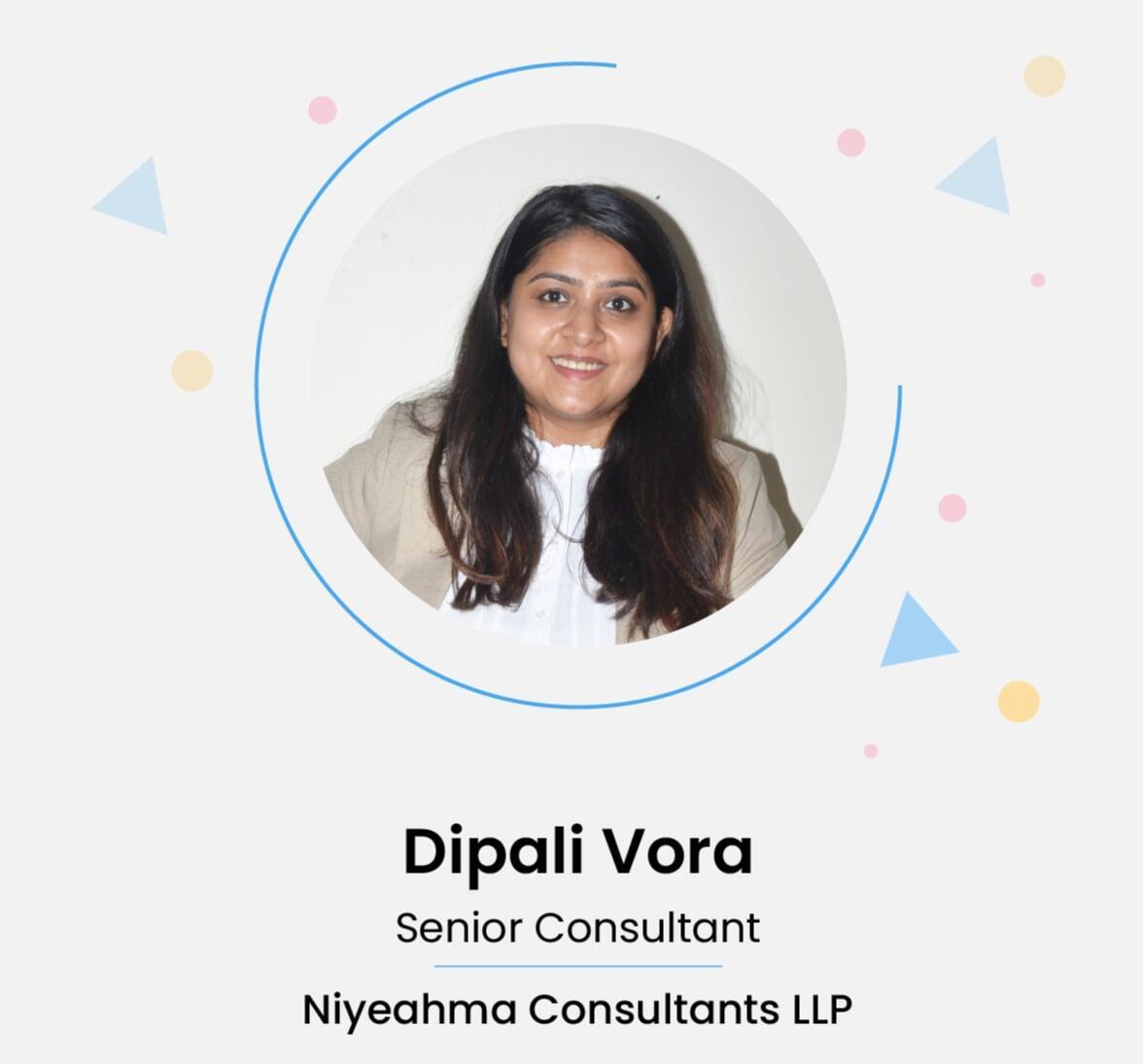
Dipali is an Associate member of ICSI and a Certified Anti-Money Laundering Specialist (CAMS). She has an overall experience of 10+ years in the compliance domain, including Anti-Money Laundering, due diligence, secretarial audit, and managing scrutiniser functions. 

She currently assists clients by advising and helping them navigate through all the legal and regulatory challenges of Anti-Money Laundering Law. She helps companies to develop, implement, and maintain effective AML/CFT and sanctions programs. 

She knows Anti-money laundering rules and regulations prevailing in major countries and specializes in Enterprise-wide risk assessment, Customer Due-diligence, and Risk assessment. 

Get Started Now!

Why learn with Pro AML Training

ProAML Training is part of NIYEAHMA's AMLVerse, a global AML compliance ecosystem that connects consulting, regulatory knowledge and technology, including the consulting practice AML UAE. Courses are built and taught by practising compliance professionals, among them founder Pathik Shah (FCA, CAMS, CISA), who brings more than 28 years in governance, risk and compliance. That means the material is practical, current and grounded in real casework rather than recycled theory.

  • Practitioner-led: written and delivered by working AML professionals, not generalist course writers.
  • Practical and job-ready: focused on what you do at your desk, with real red flags, templates and worked examples.
  • Current: kept in step with FATF standards and the latest national rules, so you are not learning last year's framework.
  • Globally relevant: principles apply across jurisdictions, with strong depth in high-demand markets such as the UAE.

Related AML Courses

FAQs About Sanctions and PEP Screening

Sanctions screening is checking your customers, beneficial owners and transactions against sanctions and terrorist lists, in the UAE the Local Terrorist List and the UN Consolidated List, so you can identify, freeze and report any match without delay. 

You register with the competent authority's systems, screen every customer and beneficial owner against the UAE Local and UN lists at onboarding and on an ongoing basis, investigate alerts, and on a confirmed match freeze the funds without delay and report it. The duties sit in Cabinet Decision 74 of 2020 (Article 21). 

Sanctions screening finds people and entities you must not deal with. PEP screening finds politically exposed persons who need enhanced due diligence (Cabinet Resolution 134 of 2025, Article 16). Adverse-media screening finds credible negative news that raises a customer's risk even without a list match. 

A false positive is an alert where the system flags a name that looks similar to a listed person but is not actually your customer. Most alerts are false positives, so resolving them quickly and defensibly is a core screening skill. 

Without delay. Under Cabinet Decision 74 of 2020, a confirmed match must be frozen without delay, which UAE guidance treats as within 24 hours of the listing, with no prior notice to the customer.

Yes. Complete the modules and pass the final assessment to earn a verifiable certificate of completion you can keep as evidence of training.