About this Free AML/CFT Policies and Procedures Course
This practical course teaches compliance professionals how to build and run a UAE-compliant AML/CFT programme: the policies, procedures, controls and governance that turn the law into day-to-day practice. You learn what a policy must contain, how to secure senior-management approval, how to define the compliance officer role, and how to keep the framework current and audit-ready under UAE AML regulations.

What this AML Compliance
Framework Course Covers
Your policies and procedures are the backbone of the whole AML programme. They are the first thing a regulator asks to see, and every control you run, from customer due diligence to reporting, has to trace back to them. A clear, current, risk-based framework makes the rest of your compliance work defensible. A generic or out-of-date one undermines all of it.
This course takes you from the risk assessment that anchors the policy, through the specific controls each legal obligation demands, to the governance that holds the framework together: a compliance officer, senior-management approval, independent audit and staff training. You learn not just what the framework must include, but how to write it so staff can actually follow it and an examiner can actually trust it.
It is hands-on rather than theoretical. You work from a real policy structure, see what a strong AML/CFT manual looks like, and learn how to keep it alive as your business and the rules change.
What Must a UAE AML/CFT Policy Contain?
A UAE AML/CFT policy must set out how the business meets its preventive duties under UAE AML regulations. At a minimum that means a risk-based approach and risk assessment, customer due diligence, sanctions screening, suspicious transaction reporting, record-keeping, and governance, including a compliance officer, senior-management approval and independent audit.
Policy Contents Checklist
A risk-based approach and enterprise-wide risk assessment
Customer due diligence: identification, verification and beneficial ownership
Enhanced due diligence and politically exposed persons (PEPs)
Ongoing monitoring of business relationships
Ongoing monitoring of business relationships
Targeted financial sanctions screening and freezing without delay
Suspicious transaction reporting through goAML, and the prohibition on tipping-off
Record-keeping for at least five years
Governance: a compliance officer, senior-management approval, independent audit and training
What you will Learn in this AML Policy Course
By the end of the course you will be able to:
Build an AML/CFT policy and procedures manual that maps to the UAE framework.
Identify exactly what a compliant policy must contain, and why each part is there.
Secure senior-management approval and define the compliance officer (MLRO) role.
Translate each legal obligation into a practical, documented internal control.
Set up governance: independent audit, management information and ongoing review.
Keep the framework current as your business, your risks and the rules change.
Prepare a framework that stands up to regulator and auditor scrutiny.
Why this AML/CFT Policies Course is Worth your Time

Practical takeaway
You will be able to build and defend an AML/CFT policy framework that a regulator and an auditor will accept.Course Curriculum
Who should Take this Course
Compliance officers and MLROs who own the risk methodology, KYC and onboarding analysts who risk-rate customers every day, relationship and account managers who need to know when to escalate, risk and audit teams who test the framework, and the owners and staff of regulated businesses and DNFBPs (real estate, dealers in precious metals and stones, corporate service providers, accountants and law firms) who carry the duty themselves. No prior qualification is needed, and the course works whether you operate in the UAE or another AML regime.

What you Get
- A practical, self-paced online course you can complete in a single focused session.
- A certificate of completion you can keep as evidence of training.
- A policy-framework approach you can apply straight to your own AML/CFT manual.
Why Choose Pro AML Courses
Learn from the Pro
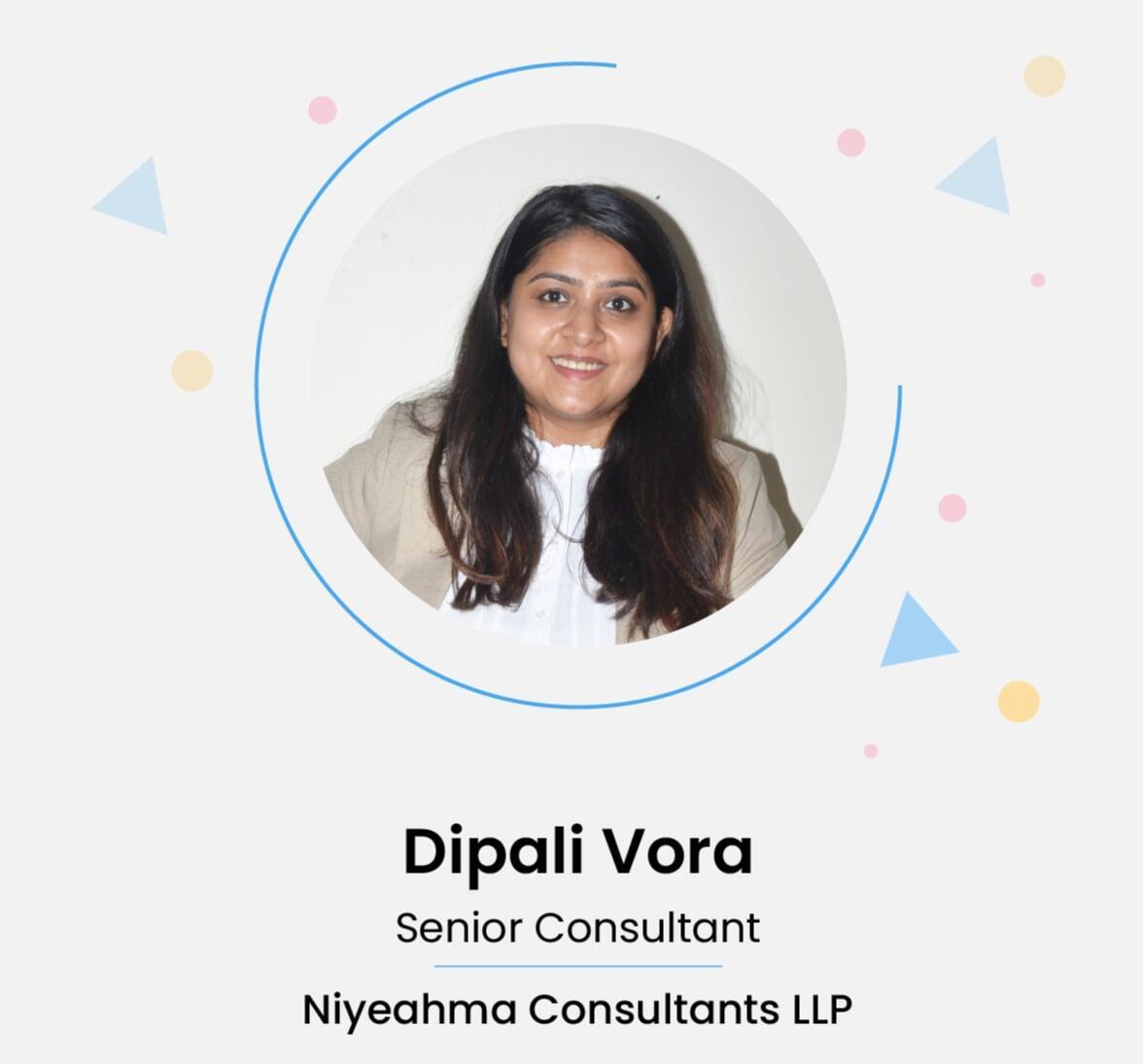
I am Dipali, an Associate Member of ICSI and CAMS, holding a bachelor's in commerce and a General Law degree. With more than 10+ years of experience in the compliance domain, I specialise in Anti-Money Laundering (AML) and related areas such as due diligence and independent audits. Currently, I assist clients in navigating the complexities of AML laws and training, focusing on developing and maintaining effective AML/CFT and sanctions programmes. My expertise includes enterprise-wide risk assessments and customer due diligence, with a strong knowledge of AML regulations in the GCC region.
Get Started Now!
What Our Course Grads have to Say
I want to extend my gratitude to the Pro AML team. Through this session, I gained a comprehensive understanding of the AML/CFT processes in the UAE. The lessons were exceptionally clear, and the testing component further reinforced my knowledge. Thank you for such an enriching experience!
Rukshana S Robust AML/CFT Policies and Procedures
What our course grads have to say
This session was incredibly useful! Each topic was covered succinctly and in an easy-to-understand manner, creating a seamless flow from start to finish. The presentation was well-organized, enhancing the overall learning experience. Thank you for such an engaging AML course!
Muhammed Thanveer Ellat Valiyakath Robust AML/CFT Policies and Procedures
What our course grads have to say
Every chapter of the course was thoroughly explained, making the content easy to grasp. I truly enjoyed the entire experience and found it highly beneficial. Thank you for such a well-structured course!”
Oluwadamilola Orugun Robust AML/CFT Policies and Procedures

Why Learn with Pro AML Training
ProAML Training is part of NIYEAHMA's AMLVerse, a global AML compliance ecosystem that connects consulting, regulatory knowledge and technology, including the consulting practice AML UAE. Courses are built and taught by practising compliance professionals, among them founder Pathik Shah (FCA, CAMS, CISA), who brings more than 28 years in governance, risk and compliance. That means the material is practical, current and grounded in real casework rather than recycled theory.
- Practitioner-led: written and delivered by working AML professionals, not generalist course writers.
- Practical and job-ready: focused on what you do at your desk, with real red flags, templates and worked examples.
- Current: kept in step with FATF standards and the latest national rules, so you are not learning last year's framework.
- Globally relevant: principles apply across jurisdictions, with strong depth in high-demand markets such as the UAE.