About this KYC Requirements Course
This practical course teaches compliance professionals how to do KYC properly: how to identify and verify customers, find the real beneficial owners behind a company, gather the right information and documents, and keep customer files current. It is grounded in the UAE framework, but the skills apply wherever KYC rules do. Practitioner-led, with a certificate on completion. You can start free.

What is KYC (Know Your Customer)?
Done well, KYC gives you a clear, evidenced picture of who you are dealing with. Done poorly, it undermines everything built on top of it. The terms below come up throughout this course and across UAE AML guidance.
Key KYC terms
KYC (Know Your Customer): Identifying a customer and verifying who they are, before and throughout a business relationship.
CDD (Customer Due Diligence): The wider set of checks the law requires: identify and verify the customer and the beneficial owner, understand the relationship and monitor it. KYC identification is its first step.
Beneficial owner: The natural person who ultimately owns or controls a customer, generally a 25 percent or greater interest in the UAE (Cabinet Resolution 134 of 2025, Article 10).
Identity verification: Confirming a customer's identity against reliable, independent documents or data sources.
Re-KYC: Periodically refreshing customer information so the file stays accurate over time.
What you will Learn in this KYC Course
By the end of the course you will be able to:
Explain clearly what KYC is and how it fits within customer due diligence and the UAE framework.
Identify and verify individual and corporate customers using reliable, independent sources.
Identify the beneficial owners behind a company, including the 25 percent ownership threshold.
Know what information and documents each customer type requires, and why.
Keep customer files current through ongoing monitoring and re-KYC.
Document your KYC checks so they stand up to audit and regulatory review.
Spot common KYC gaps before they become findings.
Why this Free KYC Course is Worth your Time

Practical takeaway
You will be able to complete and document a KYC file that holds up to audit and regulatory review.KYC Requirements Course Curriculum
What KYC is and where it fits in AML: Define KYC clearly and see how it sits inside customer due diligence and the wider UAE framework.
Customer identification and verification: Learn how to identify a customer and verify their identity against reliable, independent sources, the core requirement of Articles 6 to 9.
Finding the beneficial owner: Identify the natural persons who ultimately own or control a customer, including the 25 percent threshold under Article 10, and handle layered ownership structures.
KYC for individuals and for entities: Understand the information and documents each customer type requires, and the common pitfalls that lead to weak or incomplete files.
From onboarding to ongoing KYC: Keep customer information accurate over time through ongoing monitoring and periodic re-KYC, so files never go stale.
Documenting KYC defensibly: Record your checks and decisions so the file stands up to an auditor or a regulator long after onboarding.
Course Curriculum
Who should Take this KYC Course
KYC and onboarding analysts who run these checks every day, compliance officers and MLROs who own the standard, relationship and account managers who collect customer information, and the owners and staff of regulated businesses and DNFBPs (real estate, dealers in precious metals and stones, corporate service providers, accountants and law firms, alongside banks, fintechs and virtual-asset firms). No prior qualification is needed, and the course works whether you operate in the UAE or another AML regime.

What you Get
A practical, self-paced online course you can complete in a single focused session.
A certificate of completion you can keep as evidence of training.
A KYC approach you can apply straight to your very next customer file.
By the end of this course you will know exactly what KYC is, what the UAE framework requires, and how to complete and document a customer file that holds up under scrutiny. Equip yourself with one of the most in-demand skills in compliance, reduce financial-crime risk in your organisation, and move your career forward. Join us and build the foundation that every strong AML programme rests on.
Why Choose Pro AML Courses
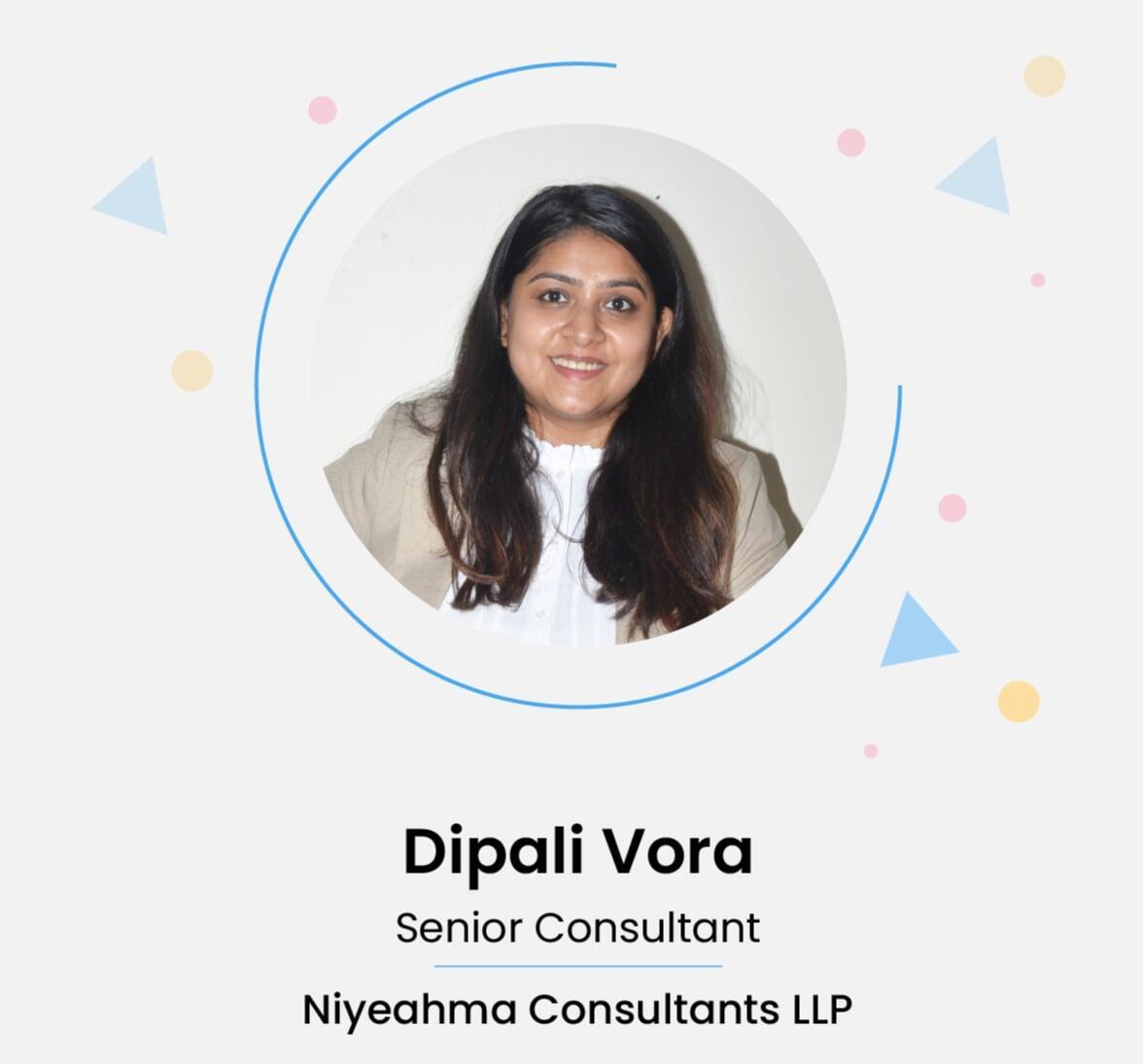
Learn from the Pro
I am Dipali, an Associate Member of ICSI and CAMS, holding a bachelor's in commerce and a General Law degree. With more than 10+ years of experience in the compliance domain, I specialise in Anti-Money Laundering (AML) and related areas such as due diligence and independent audits. Currently, I assist clients in navigating the complexities of AML laws and training, focusing on developing and maintaining effective AML/CFT and sanctions programmes. My expertise includes enterprise-wide risk assessments and customer due diligence, with a strong knowledge of AML regulations in the GCC region.
Get Started Now!
What Our Course Grads have to Say
“Speaker Dipali Vora did an outstanding job of explaining the intricate details of KYC and its importance. This course has been one of the best I have attended, and I wholeheartedly recommend it to my friends and colleagues. Thank you to the entire team for this valuable experience!”
Ankita Mishra Decoding KYC Requirements: AML Compliance in the UAE

Why Learn with Pro AML Training
ProAML Training is part of NIYEAHMA's AMLVerse, a global AML compliance ecosystem that connects consulting, regulatory knowledge and technology, including the consulting practice AML UAE. Courses are built and taught by practising compliance professionals, among them founder Pathik Shah (FCA, CAMS, CISA), who brings more than 28 years in governance, risk and compliance. That means the material is practical, current and grounded in real casework rather than recycled theory.
- Practitioner-led: written and delivered by working AML professionals, not generalist course writers.
- Practical and job-ready: focused on what you do at your desk, with real red flags, templates and worked examples.
- Current: kept in step with FATF standards and the latest national rules, so you are not learning last year's framework.
- Globally relevant: principles apply across jurisdictions, with strong depth in high-demand markets such as the UAE.