Are Auditors and Accountants DNFBPs in the UAE?
Yes. Under Cabinet Resolution 134 of 2025 (Article 3), independent accountants are a designated non-financial business and profession (DNFBP), and auditors and tax practitioners are treated the same way. You are in scope when you carry out or prepare certain transactions for a client, such as buying or selling real estate, managing assets or money, or forming and running companies. Advisory and audit work no longer sits outside the AML perimeter, and the Ministry of Economy supervises the sector.
When does an Accountant or Auditor Come into Scope?
- Buy or sell real estate.
- Manage client money, securities or other assets.
- Manage bank, savings or securities accounts.
- Organise contributions for the creation, operation or management of companies.
- Create, operate or manage legal persons or arrangements, or buy and sell business entities.
What AML Obligations do Accountants and Auditors Have?
- Register on the FIU's goAML platform and appoint a compliance officer or MLRO.
- Carry out a business-wide risk assessment of your money-laundering exposure.
- Perform customer due diligence on clients and identify the beneficial owners.
- Apply enhanced due diligence to higher-risk clients, including PEPs.
- Screen clients against the UAE Local Terrorist List and the UN Consolidated List.
- Report suspicious transactions through goAML, and avoid tipping off the client.
- Keep records for at least five years and train your staff.
- Have the AML programme independently audited.
Money-Laundering Red Flags for Accountants and Auditors
- Complex or opaque structures with no clear commercial or tax rationale.
- Transactions or company structures that do not fit the client's profile or business.
- Funds or counterparties connected to high-risk jurisdictions.
- Requests to record transactions in a way that obscures their real nature.
- Round-tripping of funds or unexplained loans between related parties.
- A client in a hurry to complete, or unwilling to explain, an unusual transaction.
About this AML Course for Accountants and Auditors
What you will Learn in this AML Course
By the end of the course you will be able to:
Report suspicious transactions through goAML without tipping off the client.
Why this AML Course is Worth your Time

Practical takeaway
You will know when to file a REAR, how to do due diligence on a property deal, and how to keep your brokerage inspection-ready.AML Course Curriculum for Accountants and Auditors
Who Should Take this Course
Independent accountants, auditors and audit-firm partners, tax practitioners, and the compliance officers and staff of accounting and audit practices. No prior AML qualification is needed. The course is built around the UAE framework but is useful in any FATF-aligned regime.

What you Get
- A practical, self-paced online course you can complete in a single focused session.
- A certificate of completion you can keep as evidence of training.
- A client-engagement compliance routine you can apply straight away.
Why Choose Pro AML Courses
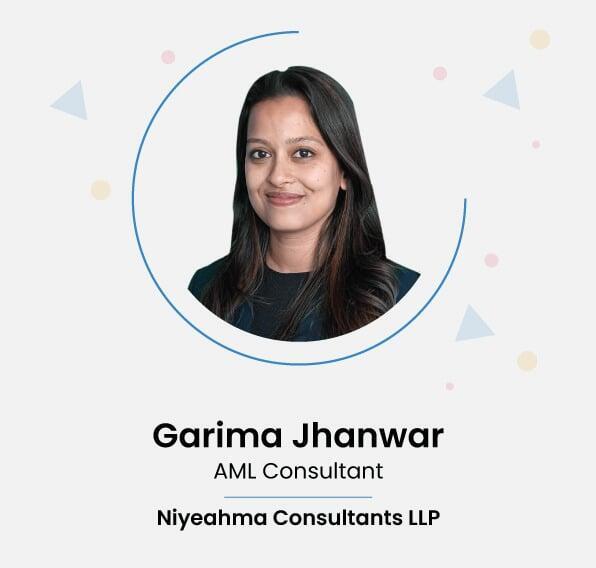
Learn from the Pro
Get Started Now!

Why learn with Pro AML Training
ProAML Training is part of NIYEAHMA's AMLVerse, a global AML compliance ecosystem that connects consulting, regulatory knowledge and technology, including the consulting practice AML UAE. Courses are built and taught by practising compliance professionals, among them founder Pathik Shah (FCA, CAMS, CISA), who brings more than 28 years in governance, risk and compliance. That means the material is practical, current and grounded in real casework rather than recycled theory.
- Practitioner-led: written and delivered by working AML professionals, not generalist course writers.
- Practical and job-ready: focused on what you do at your desk, with real red flags, templates and worked examples.
- Current: kept in step with FATF standards and the latest national rules, so you are not learning last year's framework.
- Globally relevant: principles apply across jurisdictions, with strong depth in high-demand markets such as the UAE.