Are DPMS Considered to be DNFBPs in the UAE?
Yes. Under Cabinet Resolution 134 of 2025 (Article 3), dealers in precious metals and stones (DPMS) are a designated non-financial business and profession (DNFBP). A DPMS must register on goAML, appoint a compliance officer, and run a full AML programme. The Ministry of Economy and Tourismsupervises the sector.
When does the AED 55,000 rule apply to a DPMS?
A DPMS is brought into scope, and must report, when it carries out one cash transaction, or several linked cash transactions, with a customer that reach or exceed AED 55,000. At that point you must apply full customer due diligence, keep records, and file the required report through goAML, in addition to a suspicious transaction report whenever you have a suspicion, whatever the amount.

Why the DPMS Sector is High Risk
Precious metals and stones are high-value, portable and easily transferable, which makes them attractive for money laundering, terrorist financing and proliferation financing (ML, TF and PF). The sector is cash-intensive, often deals across borders, and carries supply-chain risks around where goods actually come from. National risk assessments consistently place DPMS among the higher-risk non-financial sectors, which is why the AML obligations are real and actively supervised.
Source of Funds and Source of Goods: a Dual-Risk Approach
DPMS compliance is different from most sectors because risk runs through two channels at once. You have to understand the source of funds, where the customer's money comes from, and the source of goods, where the metals or stones originate. A clean payment does not make a tainted stone legitimate, and reputable goods do not excuse suspicious funds. This course teaches you to assess both, so you can trace legitimacy and provenance across the whole transaction, not just the payment.
What AML Obligations do DPMS Businesses Have?
As a DNFBP, a dealer in precious metals and stones owes the full set of AML duties:
Register on the FIU's goAML platform and appoint a compliance officer or MLRO.
Carry out an enterprise-wide risk assessment (EWRA) of your ML, TF and PF exposure.
Perform customer due diligence, and enhanced due diligence for higher-risk customers.
Identify the beneficial owners behind corporate customers.
Assess both the source of funds and the source of goods.
Screen customers against the UAE Local Terrorist List and the UN Consolidated List.
File the required cash-transaction report and suspicious transaction reports through goAML.
Keep records for at least five years, train staff, and have the programme independently audited.
Money-Laundering Red Flags for DPMS
Patterns that should prompt a closer look, and possibly a report, include:
Large cash payments, or a customer keen to pay in cash, for high-value items.
Purchases split into smaller amounts to stay under the AED 55,000 threshold.
A customer reluctant to provide identity or beneficial-ownership details.
Payment by a third party with no clear connection to the buyer.
Goods whose origin or provenance cannot be explained or documented.
Cross-border deals involving high-risk jurisdictions.
Rapid buying and selling back of the same or similar items.
About this DPMS AML Course
This practical course teaches dealers in precious metals and stones, and their teams, what the UAE AML framework requires of them. It gives a comprehensive, hands-on understanding of AML, CFT and counter-proliferation-financing obligations for the DPMS sector, with a strong focus on real-world application, regulatory expectations and risk-based decision-making. You learn to identify risks, apply proportionate controls, and respond to suspicious activity, bridging the gap between policy and day-to-day practice. It is grounded in the UAE framework, Federal Decree-Law No. 10 of 2025 and Cabinet Resolution 134 of 2025, with the sector rules supervised by the Ministry of Economy. Practitioner-led, with a certificate on completion. You can start free.
What you will Learn in this DPMS Course
By the end of the course you will be able to:
Explain why DPMS are DNFBPs and where the sector's ML, TF and PF risks come from.
Apply the AED 55,000 cash threshold and know when reporting is triggered.
Carry out customer due diligence, enhanced due diligence and beneficial-ownership checks.
Assess both the source of funds and the source of goods.
Recognise DPMS red flags and file reports through goAML without tipping off.
Apply a risk-based approach and be ready for a Ministry of Economy inspection.
Why this DPMS Course is Worth your Time

Practical takeaway
You will know when the AED 55,000 rule applies, how to check both source of funds and source of goods, and how to keep your business inspection-ready.DPMS Course Learning Path
Foundations of the DPMS sector
Understand who qualifies as a DPMS, the key definitions, the transaction thresholds, and how precious metals and stones create inherent AML risk.
ML, TF and PF risks in DPMS
Explore the sector's exposure through cash-intensive transactions, high-value portability and supply-chain vulnerabilities, with insights from national risk assessments.
The legal and regulatory framework
Learn the AML and CFT laws, the role of the Ministry of Economy as supervisor, and how sanctions frameworks apply to the sector.
Compliance obligations in practice
Turn the rules into action through the enterprise-wide risk assessment, customer due diligence, beneficial ownership, enhanced due diligence and monitoring.
Source of funds and source of goods
Apply the dual-risk approach, assessing where the money comes from and where the goods originate, to establish legitimacy and traceability.
Reporting, escalation and tipping-off
Act on suspicion through STR and cash-transaction reporting on goAML, with proper escalation and confidentiality, without waiting for proof.
From theory to real-world judgement
Recognise risks, ask the right questions, take proportionate action, and document decisions, supported by staff accountability and consistent practice.
Who Should Take this Course
AML compliance officers, DPMS business owners and managers, KYC and onboarding teams, risk and control professionals, auditors and regulatory consultants, frontline sales teams in DPMS businesses, and professionals across other DNFBPs and financial services. No prior qualification is needed. The course is built around the UAE framework but is useful in any FATF-aligned regime.

What you Get
Expert-led video lectures and chapter-wise structured learning modules.
Real-world case studies, practical scenarios and interactive assessments.
A certificate of completion you can keep as evidence of training.
A dual-risk compliance routine you can apply to your very next transaction.
Why Choose Pro AML Courses
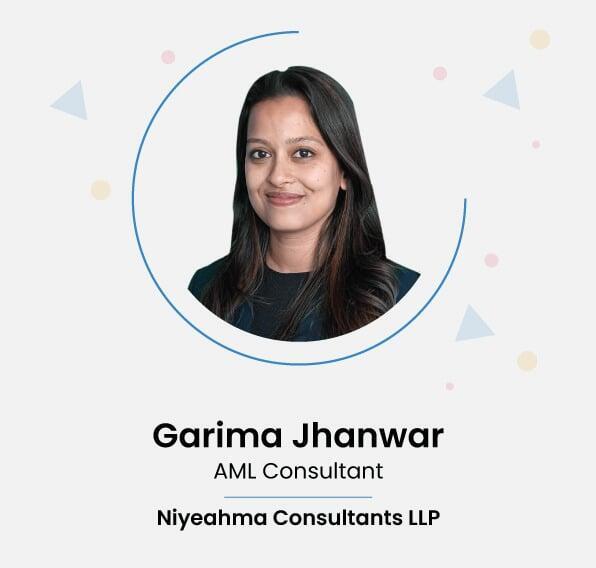
Learn from the Pro
My training approach emphasises conceptual clarity and practical application, enabling compliance professionals to navigate regulatory frameworks and make informed AML decisions in dynamic compliance environments.
Get Started Now!

Why learn with Pro AML Training
ProAML Training is part of NIYEAHMA's AMLVerse, a global AML compliance ecosystem that connects consulting, regulatory knowledge and technology, including the consulting practice AML UAE. Courses are built and taught by practising compliance professionals, among them founder Pathik Shah (FCA, CAMS, CISA), who brings more than 28 years in governance, risk and compliance. That means the material is practical, current and grounded in real casework rather than recycled theory.
- Practitioner-led: written and delivered by working AML professionals, not generalist course writers.
- Practical and job-ready: focused on what you do at your desk, with real red flags, templates and worked examples.
- Current: kept in step with FATF standards and the latest national rules, so you are not learning last year's framework.
- Globally relevant: principles apply across jurisdictions, with strong depth in high-demand markets such as the UAE.